Introduction
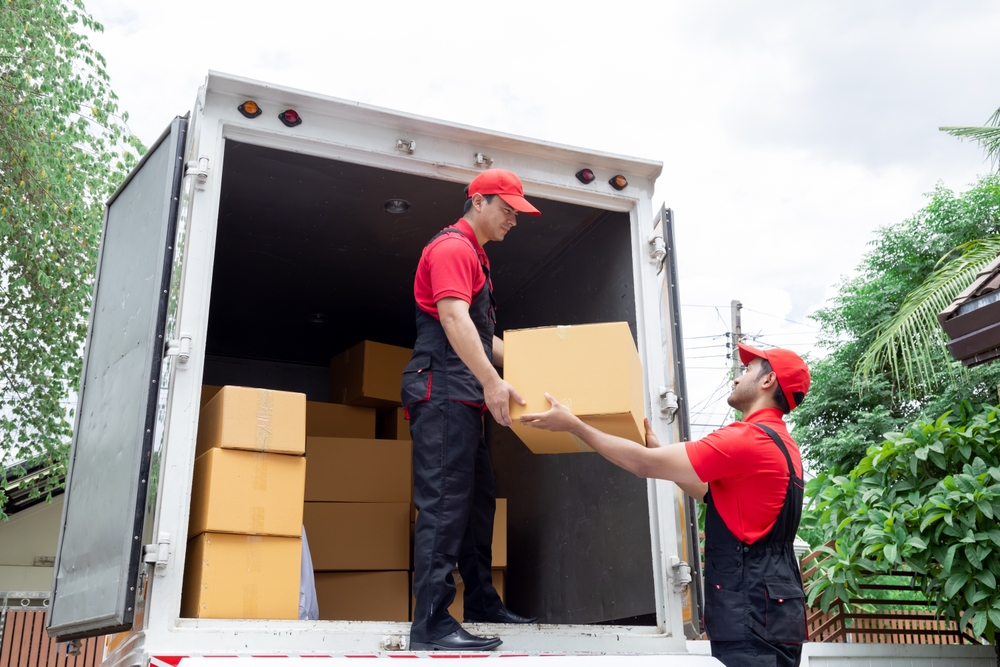
Moving can be an overwhelming experience, particularly when it comes to packing fragile items. Whether it’s your beloved porcelain collection, a cherished painting, or expensive electronics, ensuring their safety during relocation is paramount. This article delves into the expertise of professional movers and the meticulous processes they employ to pack these delicate belongings securely.
Understanding the significance of professional movers in this regard can help alleviate the stress associated with packing fragile items. Their training and experience enable them to use specific techniques and materials designed to minimize the risk of damage during transit. This guide will explore the nuances of packing fragile items, the techniques that professionals utilize, and the reasons why it’s worth considering professional assistance for your next move.
Understanding Fragile Items
Types of Fragile Items
Fragile items encompass a wide array of belongings that require special care. Common fragile items include glassware, ceramics, fine china, mirrors, artwork, antiques, and electronic devices. Each type of fragile item presents unique challenges when it comes to packing and moving, necessitating a tailored approach.
For instance, glassware and porcelain items are susceptible to breaking, while electronics can be easily damaged by shocks or static electricity. Understanding the various types of fragile items is the first step in ensuring their safe transport during a move.
Common Risks Associated with Moving Fragile Items
Moving fragile items carries inherent risks, including breakage, chipping, and malfunction. Improper handling during packing or transportation can lead to devastating losses. For example, if glassware is not adequately cushioned, it can easily shatter upon impact. Additionally, temperature changes during transport can affect sensitive items such as artwork or vintage electronics.
Recognizing these risks underscores the importance of employing professional movers who are trained to handle fragile items with care. Their expertise can significantly reduce the likelihood of damage, ensuring that your cherished possessions arrive in one piece at your new home.
Preparing for the Move
Assessment of Fragile Items
Before packing begins, a thorough assessment of fragile items is essential. This includes identifying all delicate belongings and categorizing them based on their fragility level. Creating an inventory helps ensure that nothing is overlooked, and it also aids in the packing process.
During this assessment, movers will look for items that may require special packing techniques or materials. It can also be beneficial to take photographs of significant items for reference during unpacking or in case of an insurance claim.
Gathering Necessary Packing Supplies
Equipping oneself with the right packing supplies is crucial for safely transporting fragile items. Professional movers typically use high-quality materials that provide superior protection. Essential supplies include bubble wrap, foam sheets, packing paper, sturdy boxes, and packing tape.
Using proper packing supplies not only protects items during the move but also makes the unpacking process easier. Movers will often layer materials strategically to create cushioning and support for each item, ensuring they withstand the rigors of transportation.
Techniques Used by Professional Movers
Choosing the Right Packaging Materials
One of the first steps taken by professional movers is the selection of appropriate packaging materials. Different items require different types of protection. For instance, glass items may need bubble wrap or foam inserts, while artwork could benefit from specialty picture boxes or crates.
The choice of materials is critical because improper packing can lead to damage. Professionals understand which materials provide the best protection for various items, ensuring that each piece is safeguarded according to its specific needs.
Layering and Cushioning Techniques
Layering and cushioning are vital techniques employed by professional movers to protect fragile items. Typically, this involves wrapping items in protective materials and layering them within boxes. For example, a glass vase may be wrapped in several layers of bubble wrap before being placed in a box lined with packing paper.
Cushioning also involves filling any empty spaces within boxes to prevent items from shifting during transit. Using crumpled packing paper, foam peanuts, or other materials helps maintain stability and adds an extra layer of protection against shocks.
Proper Box Selection for Fragile Items
Choosing the right box is another crucial step in packing fragile items. Professional movers select boxes that are appropriately sized and sturdy enough to handle the weight and fragility of the contents. Overpacking a box with fragile items can lead to breakage, while underpacking can result in items shifting and colliding during transport.
Movers often use double-walled boxes for heavier or more delicate items, providing additional structural integrity. This attention to detail ensures that boxes can withstand the demands of moving without compromising the safety of the contents.
Step-by-Step Packing Process
Preparing the Fragile Item
The first step in the packing process is preparing each fragile item for wrapping. This may involve cleaning the item to prevent dirt or grime from causing scratches or damage during transport. Additionally, removing any detachable parts, such as a lampshade from a lamp, can reduce the risk of breakage.
It is also advisable to check for any existing vulnerabilities, such as cracks or chips, which might worsen during the moving process. Addressing these issues proactively can help minimize potential losses.
Wrapping Techniques
Professional movers employ specific wrapping techniques that can vary based on the item type. For delicate items like glassware, movers often use bubble wrap, wrapping each piece separately to provide individual cushioning. The wrap is secured with tape to ensure it stays in place.
For larger items, such as mirrors or framed artwork, movers may use corner protectors and heavy-duty cardboard to shield vulnerable edges. This careful attention to wrapping ensures that each item is protected from scratches and impacts.
Securing Items in Boxes
Once items are wrapped, the next step is to secure them in boxes. Movers carefully place each item in its designated box and fill any voids with packing peanuts or crumpled paper to minimize movement. Heavy items should be placed at the bottom of the box, with lighter items on top to prevent crushing.
Careful arrangement not only protects items but also makes unpacking simpler. Movers often arrange items in a way that reduces the likelihood of needing to dig through layers of packing material to find specific belongings.
Labeling Boxes for Fragile Items
Labeling is an essential component of the packing process, particularly for fragile items. Professional movers clearly mark boxes containing delicate items as “Fragile” and include specific handling instructions. This ensures that anyone handling the boxes understands the need for caution.
Additionally, detailed labeling can expedite the unpacking process, as movers can quickly identify which boxes should be handled first and where they should be placed in the new home.
Special Considerations for Different Types of Fragile Items
Packing Glassware and Dishes
Packing glassware and dishes requires particularly careful attention to detail. Professional movers often use a method called “double boxing,” where a smaller box containing the fragile items is placed inside a larger box filled with cushioning materials. This technique offers an added layer of protection against shocks and impacts.
Each piece of glassware is typically wrapped individually, starting from the base and moving to the top. Movers will also ensure that no two glass items are in direct contact, further reducing the risk of chipping or cracking.
Packing Artwork and Antiques
Artwork and antiques demand specialized packing techniques due to their unique materials and structures. Movers often use custom crates for valuable pieces, which offer the highest level of protection. For framed art, corner protectors are essential to avoid damage during transit.
Antiques may require specific climate considerations during transport, especially if they are sensitive to humidity or temperature changes. Movers are trained to understand these nuances and can provide the right environment for transporting valuable pieces safely.
Packing Electronics and Appliances
Electronics, including televisions and computers, require meticulous packing techniques to ensure they arrive without damage. Movers typically use the original packaging when available, as it is designed specifically to protect the item during transit. If original packaging isn’t available, they use heavy-duty boxes filled with protective materials.
Before packing, movers will often disconnect and secure any loose cables and components. They may also remove batteries from devices to prevent leakage during transport. This level of detail ensures that your electronics arrive in optimal condition.
How Professional Movers Ensure Safe Transportation
Loading Techniques for Fragile Items
Once packed, the loading process is equally critical for ensuring that fragile items remain undamaged. Professional movers employ strategic loading techniques, placing fragile boxes in a designated area of the moving truck to minimize movement. They often load these boxes last, ensuring they are the first to be unloaded at the destination.
Additionally, movers use straps and padding within the truck to secure boxes, preventing shifting during transit. This careful planning reduces the risks associated with moving fragile items and ensures their safe arrival.
Transportation Best Practices
During transportation, movers adhere to best practices to protect fragile items. This includes maintaining appropriate temperatures within the moving truck, as extreme heat or cold can compromise sensitive items. Movers also drive cautiously, avoiding sudden stops and sharp turns that could jostle the load.
Furthermore, professional movers often keep a detailed inventory of fragile items, cross-referencing it upon arrival to ensure that everything is accounted for and undamaged.
Unloading with Care
The unloading process is just as important as packing and loading. Professional movers take care to identify fragile boxes immediately upon arrival. They may use specialized techniques to lift boxes carefully and avoid jarring movements that could lead to damage.
Additionally, movers often have a designated area for fragile items in the new home, ensuring they are handled with care right from the start. This professional approach to unloading helps ensure that fragile belongings are seamlessly integrated into their new environment.
Why Choose Tri-Star Moving
Expertise in Handling Fragile Items
Tri-Star Moving has built a reputation for excellence in the moving industry, particularly in handling fragile items. Their team undergoes extensive training in packing techniques and the use of specialized materials, ensuring that each item is treated with the utmost care.
With years of experience, Tri-Star Moving understands the nuances of moving various types of fragile items, making them a trusted choice for those concerned about the safety of their belongings.
Commitment to Customer Satisfaction
Customer satisfaction is at the heart of Tri-Star Moving’s mission. They work closely with clients to understand their specific needs and preferences, ensuring that every move is tailored to individual circumstances. This personalized approach fosters trust and confidence in their ability to handle fragile items.
Testimonials from Satisfied Customers
Numerous testimonials from satisfied customers attest to the quality of service provided by Tri-Star Moving. Many clients have lauded their professionalism, attention to detail, and ability to handle even the most delicate items with care.
These positive experiences highlight the importance of choosing a moving company that prioritizes the safety of your belongings, especially when it comes to fragile items.
Conclusion
In conclusion, moving fragile items requires specialized knowledge and techniques to ensure their safety during transit. Professional movers play a critical role in this process, utilizing the right materials, packing methods, and transportation practices to minimize the risks associated with moving delicate belongings.
Understanding how professional movers pack fragile items equips individuals with the knowledge needed to make informed decisions during their next move. Whether it’s valuing the intricacies of packing glassware or the nuances of transporting artwork, hiring professionals like Tri-Star Moving can provide peace of mind and ensure that cherished possessions are protected throughout the moving process.